Anti-Aging Unscheduled

GHK-Cu

Also known as: Copper Peptide, GHK Copper, Glycyl-Histidyl-Lysine Copper

A naturally occurring copper peptide complex that drives skin regeneration, collagen synthesis, wound healing, and broad anti-aging effects at the gene expression level.

Popularity A
Class Copper Tripeptide Complex
Half-Life Short (~minutes in plasma, effects persist)
Form Lyophilized powder, Topical cream/serum
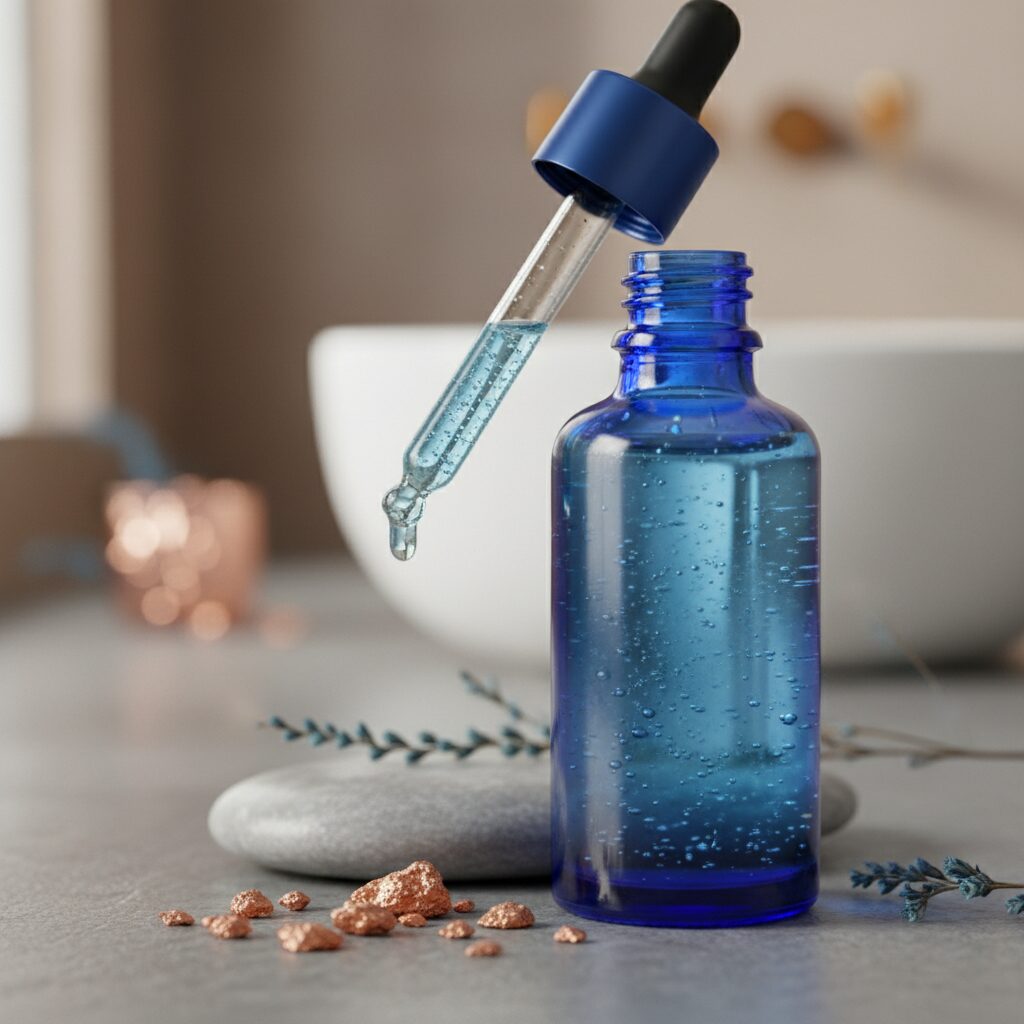
GHKCu copper peptide serum bottle for skin repair and antiaging
Research-Backed User Reports Sourced Updated Mar 2026
// Overview

What is GHK-Cu?

GHK-Cu (glycyl-L-histidyl-L-lysine copper complex) is a naturally occurring tripeptide that was first identified in human plasma in 1973 by Dr. Loren Pickart. It is one of the most extensively studied peptides for skin regeneration, wound healing, and anti-aging applications.

GHK-Cu is present in human blood plasma, saliva, and urine, with plasma levels declining significantly with age — from ~200 ng/mL at age 20 to ~80 ng/mL by age 60. This age-related decline correlates with decreased regenerative capacity, making exogenous GHK-Cu supplementation a logical anti-aging intervention.

The copper complex is essential for GHK-Cu’s biological activity. The copper ion (Cu²⁺) bound to the tripeptide serves as a delivery vehicle for copper to tissues, where it activates copper-dependent enzymes critical for collagen synthesis, antioxidant defense, and tissue remodeling.

// How It Works

How GHK-Cu Works

GHK-Cu operates through multiple interconnected pathways:

  1. Gene expression modulation — GHK-Cu has been shown to regulate over 4,000 human genes, shifting expression patterns toward a younger, healthier state. It upregulates genes for collagen, elastin, and tissue repair while downregulating inflammatory and tissue-destructive genes.
  2. Copper delivery — Delivers bioavailable copper to tissues for activation of copper-dependent enzymes including superoxide dismutase (SOD), lysyl oxidase (collagen crosslinking), and cytochrome c oxidase (mitochondrial function).
  3. TGF-β and decorin signaling — Stimulates decorin production which organizes collagen fibrils, and modulates TGF-β signaling to promote orderly tissue remodeling rather than scarring.
  4. Anti-inflammatory action — Suppresses pro-inflammatory cytokines (IL-6, TNF-α) while activating antioxidant pathways, reducing chronic inflammation associated with aging.
// Dosage Protocols

Dosage Information (User-Reported)

Disclaimer: Dosage information is compiled from user reports and published research. This is not medical advice. Consult a healthcare professional before use.
Level Dose Frequency Duration
Topical 0.5-2% serum Twice daily to skin Ongoing
Injectable Low 1-2 mg Daily (subcutaneous) 4-12 weeks
Injectable Standard 2-4 mg Daily (subcutaneous) 4-12 weeks
Localised 1-2 mg Injected near target area As needed

What to Expect

Week 1-2

Skin feels smoother and more hydrated (topical). Injectable users may notice improved skin texture and mild healing acceleration.

Week 3-6

Visible improvement in skin tone and elasticity. Fine lines begin softening. Scars appear less pronounced. Hair quality may improve.

Week 6-12

Significant anti-aging skin changes. Collagen density measurably improved. Users report tighter, more youthful skin. Wound healing dramatically accelerated.

Month 3+

Cumulative remodeling effects. Best results with consistent use. Hair regrowth reported in some users. Joint and tendon comfort improved.

Common Stacks

BPC-157

Healing Synergy

Combines copper-driven collagen synthesis with BPC-157's tissue repair for accelerated recovery

TB-500

Tissue Remodeling

Thymosin Beta-4 upregulates actin + GHK-Cu upregulates collagen — complementary repair pathways

Melanotan II

Skin Enhancement

GHK-Cu improves skin quality while MT-II provides pigmentation — cosmetic combination

// Preparation

Reconstitution & Storage

For injectable use: Reconstitute with bacteriostatic water. For a 50mg vial, add 2mL BAC water for 25mg/mL.

For topical use: GHK-Cu is commonly available in pre-made serums at 0.5-2% concentration. Can also be added to a carrier cream.

Store reconstituted injectable solution refrigerated.

Storage: Lyophilized: room temperature, protected from moisture. Reconstituted: 2-8°C, use within 21 days.
// Safety Profile

Side Effects & Safety

Potential Side Effects

  • ! Injection site irritation or redness
  • ! Skin discoloration at injection site (temporary, due to copper)
  • ! Mild nausea (rare with injectable use)
  • ! Topical: occasional skin sensitivity or breakouts initially
  • ! Generally very well tolerated

Contraindications

  • Wilson's disease or copper metabolism disorders
  • Pregnancy or breastfeeding
  • Allergy to copper compounds
  • Active skin infection at application/injection site
// Research

Published Research

// Related Compounds

Other Anti-Aging Guides

LL37

LL-37

The only human cathelicidin — a broad-spectrum antimicrobial peptide that kills pathogens, modulates inflammation, and promotes wound healing…

Read Guide →
CJC1295 and Ipamorelin combination stack for pulsatile GH release

Ipamorelin + CJC-1295

The gold-standard GH peptide stack — GHRP + GHRH synergy produces 2-5x larger growth hormone pulses than either…

Read Guide →
Subcutaneous injection technique pinching abdominal skin fold for peptide admini

Cagrilintide

A long-acting amylin analog that amplifies weight loss when paired with semaglutide — the amylin component of CagriSema's…

Read Guide →

Stay informed on GHK-Cu.

New research, dosage updates, and protocol breakdowns. Straight to your inbox.

Free forever. No spam. Unsubscribe anytime.

This content is for informational and educational purposes only. GHK-Cu is sold for research purposes. Never Natty does not condone or encourage the use of any substance in violation of any laws. Consult a healthcare professional before using any compound discussed on this site.