
Metabolic Investigational

MOTS-c

Also known as: Mitochondrial ORF of the 12S rRNA Type-c, MOTS-c Peptide

A mitochondrial-derived exercise mimetic peptide that activates AMPK, enhances metabolic homeostasis, and improves insulin sensitivity and exercise performance.

Popularity B+
Class Mitochondrial-Derived Peptide
Half-Life Not fully characterized (~4-6 hours estimated)
Form Lyophilized powder
peptides in the gym
Research-Backed User Reports Sourced Updated Mar 2026
// Overview

What is MOTS-c?

MOTS-c (Mitochondrial Open Reading Frame of the 12S rRNA Type-c) is a 16-amino acid peptide encoded within the mitochondrial genome. Discovered in 2015 by Dr. Changhan David Lee at USC, MOTS-c is one of the first known mitochondrial-derived peptides (MDPs) with significant systemic metabolic effects.

MOTS-c functions as a retrograde signaling molecule — the mitochondria communicate with the nuclear genome and other tissues to regulate metabolic homeostasis. In animal studies, MOTS-c has been shown to prevent age-dependent and high-fat-diet-induced insulin resistance, enhance exercise capacity, and improve overall metabolic health.

Often called an “exercise mimetic,” MOTS-c activates the AMPK pathway — the same metabolic switch triggered by physical exercise. This makes it particularly interesting for individuals seeking metabolic benefits of exercise through pharmacological enhancement.

// How It Works

How MOTS-c Works

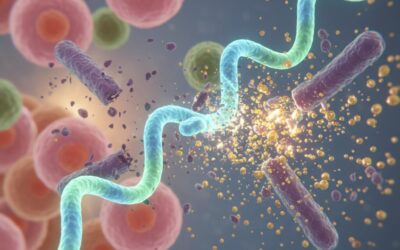
MOTS-c is a mitochondrial signaling peptide with broad metabolic effects:

  1. AMPK activation — The primary mechanism. MOTS-c activates AMP-activated protein kinase, the master metabolic regulator that is also activated by exercise, caloric restriction, and metformin.
  2. Folate-methionine cycle regulation — MOTS-c inhibits the folate cycle, which redirects metabolic flux and activates AMPK through changes in purine biosynthesis and cellular energy status.
  3. Nuclear translocation — Under metabolic stress, MOTS-c translocates from mitochondria to the nucleus where it regulates gene expression related to antioxidant defense and metabolic adaptation.
  4. Insulin sensitization — Improves skeletal muscle glucose uptake independent of insulin, similar to exercise-induced GLUT4 translocation.
// Dosage Protocols

Dosage Information (User-Reported)

Disclaimer: Dosage information is compiled from user reports and published research. This is not medical advice. Consult a healthcare professional before use.
Level Dose Frequency Duration
Standard 5 mg 3x per week (M/W/F) 4-8 weeks
Advanced 10 mg 3x per week 4-8 weeks
Loading 10 mg Daily for 5 days, then 3x/week 8 weeks

What to Expect

Week 1-2

Subtle increase in energy and exercise tolerance. Some users report improved endurance during cardio within the first week.

Week 3-4

More noticeable metabolic effects. Improved fasting glucose readings. Enhanced workout performance and reduced post-exercise fatigue.

Week 5-8

Body composition changes become apparent. Reduced visceral fat, improved metabolic markers. Exercise capacity significantly enhanced.

Month 2-3

Cumulative metabolic benefits. Users report feeling metabolically younger with sustained energy throughout the day.

Common Stacks

NAD+

Mitochondrial Synergy

Both target mitochondrial function — MOTS-c + NAD+ precursors enhance cellular energy production

BPC-157

Recovery Stack

Combines metabolic enhancement with tissue repair for comprehensive recovery

AOD-9604

Fat Loss Amplification

AMPK activation from MOTS-c pairs with GH-fragment-driven lipolysis

// Preparation

Reconstitution & Storage

Reconstitute with bacteriostatic water. For a 5mg vial, add 2mL for 2.5mg/mL concentration. Do not shake — swirl gently. Refrigerate after reconstitution.

Storage: Lyophilized: -20°C for long-term, 2-8°C short-term. Reconstituted: 2-8°C, use within 14 days.
// Safety Profile

Side Effects & Safety

Potential Side Effects

  • ! Injection site redness or irritation
  • ! Mild headache
  • ! Transient fatigue (first few doses as metabolism adjusts)
  • ! Minor GI discomfort
  • ! Generally very well-tolerated with minimal reported side effects

Contraindications

  • Pregnancy or breastfeeding
  • Active cancer (AMPK activation effects on tumor metabolism not fully understood)
  • Severe metabolic disorders without physician supervision
// Research

Published Research

// Related Compounds

Other Metabolic Guides

Highresolution illustration of neural pathways lighting up during cognitive enh

VIP

A master regulatory neuropeptide with broad anti-inflammatory, vasodilatory, and neuroprotective effects — critical in mold illness (CIRS) treatment…

Read Guide →
LL37

LL-37

The only human cathelicidin — a broad-spectrum antimicrobial peptide that kills pathogens, modulates inflammation, and promotes wound healing…

Read Guide →
CJC1295 and Ipamorelin combination stack for pulsatile GH release

Ipamorelin + CJC-1295

The gold-standard GH peptide stack — GHRP + GHRH synergy produces 2-5x larger growth hormone pulses than either…

Read Guide →

Stay informed on MOTS-c.

New research, dosage updates, and protocol breakdowns. Straight to your inbox.

Free forever. No spam. Unsubscribe anytime.

This content is for informational and educational purposes only. MOTS-c is sold for research purposes. Never Natty does not condone or encourage the use of any substance in violation of any laws. Consult a healthcare professional before using any compound discussed on this site.