Healing Investigational

KPV

Also known as: Lys-Pro-Val, Alpha-MSH Fragment 11-13, KPV Tripeptide

A potent anti-inflammatory tripeptide from α-MSH that inhibits NF-κB — targeted for gut inflammation, IBD, and systemic inflammatory conditions.

Popularity B+
Class Anti-Inflammatory Tripeptide
Half-Life ~30 minutes
Form Lyophilized powder, Capsule, Topical cream
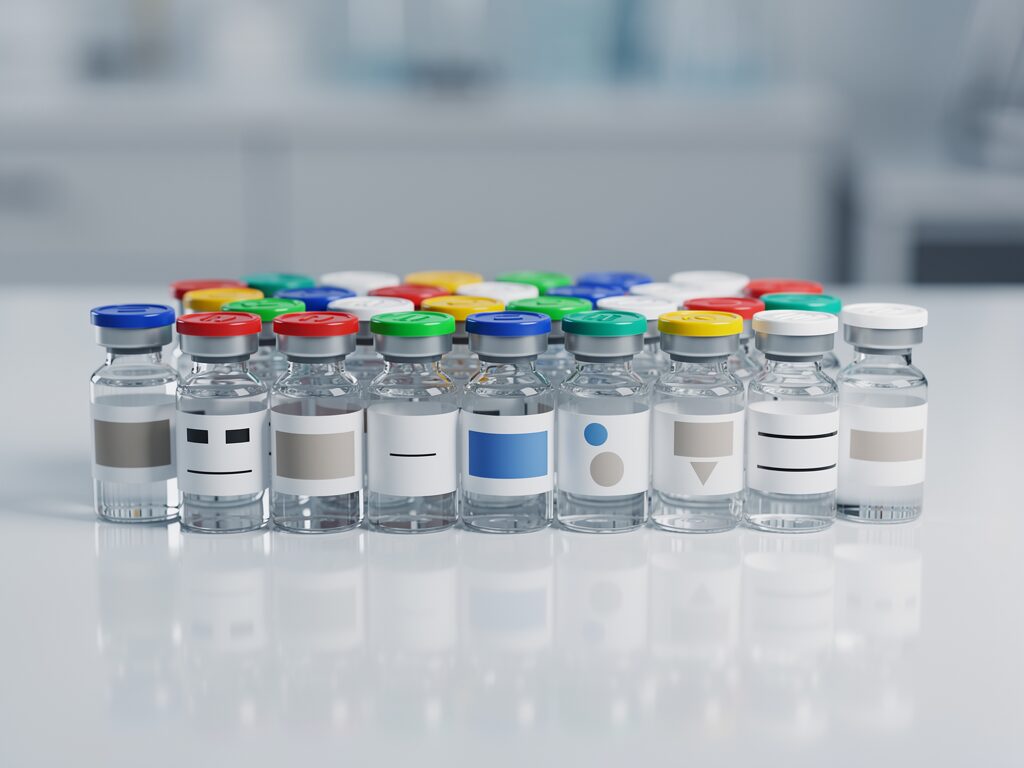
Collection of research peptide vials with different colored caps and labels
Research-Backed User Reports Sourced Updated Mar 2026
// Overview

What is KPV?

KPV (Lysine-Proline-Valine) is the C-terminal tripeptide fragment of alpha-melanocyte-stimulating hormone (α-MSH). Despite being only three amino acids long, KPV retains the full anti-inflammatory potency of the parent hormone while lacking the melanogenic (tanning) and other melanocortin receptor-mediated effects.

KPV’s primary mechanism is the inhibition of NF-κB (nuclear factor kappa-light-chain-enhancer of activated B cells), the master transcription factor controlling the inflammatory response. By preventing NF-κB translocation to the nucleus, KPV broadly suppresses the production of pro-inflammatory cytokines including TNF-α, IL-1β, and IL-6.

This peptide has shown particular promise for inflammatory bowel disease (IBD), with studies demonstrating that oral and colonic administration of KPV significantly reduces intestinal inflammation. It is also being explored for skin inflammatory conditions, autoimmune disorders, and as a general anti-inflammatory agent.

// How It Works

How KPV Works

KPV exerts potent anti-inflammatory effects through NF-κB inhibition:

  1. NF-κB inhibition — Prevents the nuclear translocation of NF-κB by stabilizing the IκBα inhibitor complex. This blocks the master inflammatory switch at its source.
  2. Cytokine suppression — Downstream of NF-κB inhibition, KPV reduces production of TNF-α, IL-1β, IL-6, IL-8, and other pro-inflammatory mediators.
  3. Intestinal epithelial protection — In gut tissue, KPV has been shown to enter intestinal epithelial cells and directly interact with inflammatory signaling cascades, reducing colitis.
  4. PepT1 transporter uptake — KPV is actively transported into intestinal cells via the PepT1 peptide transporter, which explains its oral bioavailability for gut-targeted effects.
  5. No immunosuppression — Unlike corticosteroids, KPV calms excessive inflammation without broadly suppressing immune function.
// Dosage Protocols

Dosage Information (User-Reported)

Disclaimer: Dosage information is compiled from user reports and published research. This is not medical advice. Consult a healthcare professional before use.
Level Dose Frequency Duration
Oral (GI Focus) 200-500 mcg 1-2x daily (capsule) 4-8 weeks
Subcutaneous 200-500 mcg Daily 4-8 weeks
Topical Applied to affected area 1-2x daily As needed

What to Expect

Week 1-2

GI symptoms begin improving if present. Reduced bloating and discomfort. Skin inflammation calming with topical use.

Week 3-4

Significant reduction in inflammatory symptoms. Gut function improving. Joint inflammation may decrease.

Week 5-8

Full anti-inflammatory effects. IBD/IBS symptoms substantially reduced. Skin conditions clearing. Systemic inflammation markers improving.

Note

Best results for gut issues with oral/capsule form. Injectable for systemic inflammation. Topical for localized skin conditions.

Common Stacks

BPC-157

GI Healing Stack

KPV calms inflammation while BPC-157 repairs the damaged tissue — gold standard for gut healing

Thymosin Alpha 1

Immune Modulation

KPV (innate anti-inflammatory) + TA1 (adaptive immune regulation) for balanced immune support

GHK-Cu

Tissue Repair

Anti-inflammatory base from KPV with regenerative copper peptide for comprehensive healing

// Preparation

Reconstitution & Storage

For injectable use: Reconstitute with bacteriostatic water. Typical concentrations vary by vendor.

For oral/gut targeting: KPV is available in enteric-coated capsules designed to release in the intestines.

For topical use: Available in cream formulations for skin inflammation.

Storage: Lyophilized: room temperature or 2-8°C. Reconstituted: 2-8°C, use within 21 days.
// Safety Profile

Side Effects & Safety

Potential Side Effects

  • ! Minimal reported side effects
  • ! Mild injection site irritation (subcutaneous)
  • ! Occasional mild headache
  • ! Generally considered one of the safest peptides available due to its small size and targeted mechanism

Contraindications

  • Pregnancy or breastfeeding
  • Active infection requiring inflammatory response
  • Known hypersensitivity to α-MSH-derived peptides
// Research

Published Research

// Related Compounds

Other Healing Guides

Comprehensive metabolic panel results used for quarterly biohacker health assess

SS-31

A mitochondria-targeted peptide that concentrates 1000x in the inner membrane to restore electron transport chain function — the…

Read Guide →
Semax peptide nasal spray studied for cognitive enhancement and neuroprotection

Semax

A clinically approved nootropic peptide that boosts BDNF and NGF for cognitive enhancement, neuroprotection, and stroke recovery —…

Read Guide →
Selank peptide nasal spray used for anxiolytic and nootropic research

Selank

A clinically approved anxiolytic peptide offering benzodiazepine-level anxiety relief without sedation, addiction, or cognitive impairment — plus immune…

Read Guide →

Stay informed on KPV.

New research, dosage updates, and protocol breakdowns. Straight to your inbox.

Free forever. No spam. Unsubscribe anytime.

This content is for informational and educational purposes only. KPV is sold for research purposes. Never Natty does not condone or encourage the use of any substance in violation of any laws. Consult a healthcare professional before using any compound discussed on this site.