Healing Investigational

ARG BPC-157

Also known as: BPC-157 Arginine Salt, BPC-157 Arg, Stable BPC-157

An arginine-salt formulation of BPC-157 offering improved stability and potentially enhanced nitric oxide-mediated healing — the upgraded version of the most popular healing peptide.

Popularity A
Class Healing Peptide (Arginine Salt)
Half-Life ~4 hours (similar to standard BPC-157)
Form Lyophilized powder
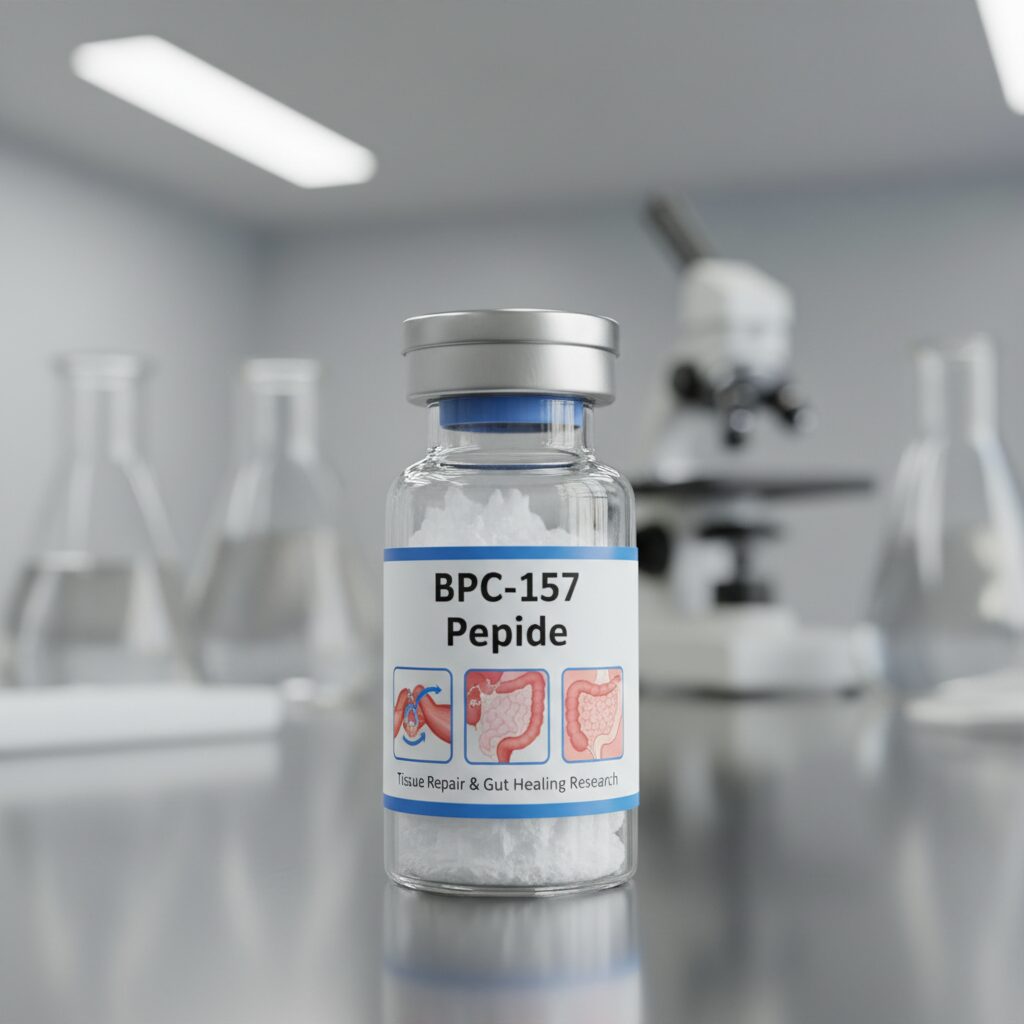
BPC157 peptide vial labeled for tissue repair and gut healing research
Research-Backed User Reports Sourced Updated Mar 2026
// Overview

What is ARG BPC-157?

ARG BPC-157 is a formulation of Body Protection Compound-157 paired with an arginine salt counterion (as opposed to the standard acetate salt). This arginine pairing was developed to address two limitations of standard BPC-157: stability in solution and potential enhancement of healing through nitric oxide (NO) pathways.

The arginine component serves a dual purpose. First, as a salt form it improves the peptide’s stability and solubility characteristics compared to the acetate salt, potentially extending shelf life after reconstitution. Second, L-arginine is a direct precursor to nitric oxide via the nitric oxide synthase (NOS) pathway — and BPC-157 is known to interact with the NO system as part of its healing mechanism.

Some researchers propose that pairing BPC-157 with its nitric oxide pathway substrate (arginine) creates a more therapeutically complete formulation. While clinical evidence specifically comparing ARG BPC-157 to acetate BPC-157 is limited, the theoretical pharmacological rationale is sound and the arginine form has gained popularity among peptide users.
// How It Works

How ARG BPC-157 Works

ARG BPC-157 combines BPC-157's healing mechanisms with arginine's nitric oxide support:

  1. Growth factor upregulation — BPC-157 increases expression of VEGF (angiogenesis), EGF (epithelial growth), FGF (fibroblast growth), and other repair-signaling molecules.
  2. Nitric oxide system modulation — BPC-157 interacts with the NO system to protect blood vessels and promote healing. The arginine counterion provides direct substrate for nitric oxide synthase, potentially enhancing this pathway.
  3. GI protection — Stable in gastric acid, BPC-157 protects and repairs the GI mucosal lining. Effective against NSAID damage, ulcers, and inflammatory bowel conditions.
  4. Tendon/ligament repair — Promotes fibroblast outgrowth and collagen organization in connective tissue injuries.
  5. Neuroprotection — Interacts with dopaminergic and serotonergic systems, showing protective effects against neurotoxic agents in animal models.
// Dosage Protocols

Dosage Information (User-Reported)

Disclaimer: Dosage information is compiled from user reports and published research. This is not medical advice. Consult a healthcare professional before use.
Level Dose Frequency Duration
Low (Systemic) 250 mcg 1-2x daily (subcutaneous) 4-8 weeks
Standard 500 mcg 1-2x daily 4-8 weeks
High (Acute Injury) 750-1000 mcg 1-2x daily 2-4 weeks
Oral (GI Focus) 500 mcg 1-2x daily (oral) 4-8 weeks

What to Expect

Day 1-3

Injection near injury site may produce localized warmth and tingling. Gut issues may begin improving with oral dosing.

Week 1-2

Noticeable healing acceleration. Tendon/joint pain reducing. GI symptoms improving. Sleep quality often better.

Week 3-6

Significant tissue repair. Users with chronic injuries report major improvement. Gut lining repair well underway.

Week 6-8

Peak healing effects. Most acute injuries substantially resolved. Chronic issues showing continued improvement. Many users cycle off at this point.

Common Stacks

TB-500

Complete Healing Stack

BPC-157 (growth factors) + TB-500 (cell migration) = the gold standard healing combination

GHK-Cu

Collagen Enhancement

Adds copper-driven collagen synthesis to BPC-157's growth factor upregulation

Ipamorelin

GH-Supported Recovery

Growth hormone amplifies tissue repair processes initiated by BPC-157

// Preparation

Reconstitution & Storage

Reconstitute with bacteriostatic water. For a 5mg vial, add 2mL BAC water for 2.5mg/mL (250mcg per 0.1mL).

Inject water slowly. Do not shake. Swirl gently. The arginine salt form typically dissolves more readily than acetate.

Refrigerate after reconstitution. More stable in solution than standard BPC-157 — up to 28 days.

Storage: Lyophilized: room temperature. Reconstituted: 2-8°C, use within 28 days. Improved stability vs acetate form.
// Safety Profile

Side Effects & Safety

Potential Side Effects

  • ! Injection site irritation (mild, transient)
  • ! Mild nausea (especially with first few doses)
  • ! Dizziness (rare)
  • ! Headache (rare)
  • ! Generally exceptionally well tolerated — one of the safest peptides in use

Contraindications

  • Active malignancy (growth factor upregulation theoretical concern)
  • Pregnancy or breastfeeding
  • Concurrent use of blood thinners (BPC-157 affects coagulation pathways)
// Research

Published Research

// Related Compounds

Other Healing Guides

TB500 thymosin beta4 peptide vial used for recovery and healing research

TB-500 Fragment

A concentrated fragment of Thymosin Beta-4 focused on the core actin-binding domain — smaller molecule, targeted tissue repair.

Read Guide →
Biomarker dashboard on a computer screen tracking health metrics over time

5-Amino-1MQ

An NNMT inhibitor that restores NAD+ in fat cells, shifting adipose tissue from storage mode back to metabolically…

Read Guide →
Comprehensive metabolic panel results used for quarterly biohacker health assess

SS-31

A mitochondria-targeted peptide that concentrates 1000x in the inner membrane to restore electron transport chain function — the…

Read Guide →

Stay informed on ARG BPC-157.

New research, dosage updates, and protocol breakdowns. Straight to your inbox.

Free forever. No spam. Unsubscribe anytime.

This content is for informational and educational purposes only. ARG BPC-157 is sold for research purposes. Never Natty does not condone or encourage the use of any substance in violation of any laws. Consult a healthcare professional before using any compound discussed on this site.